


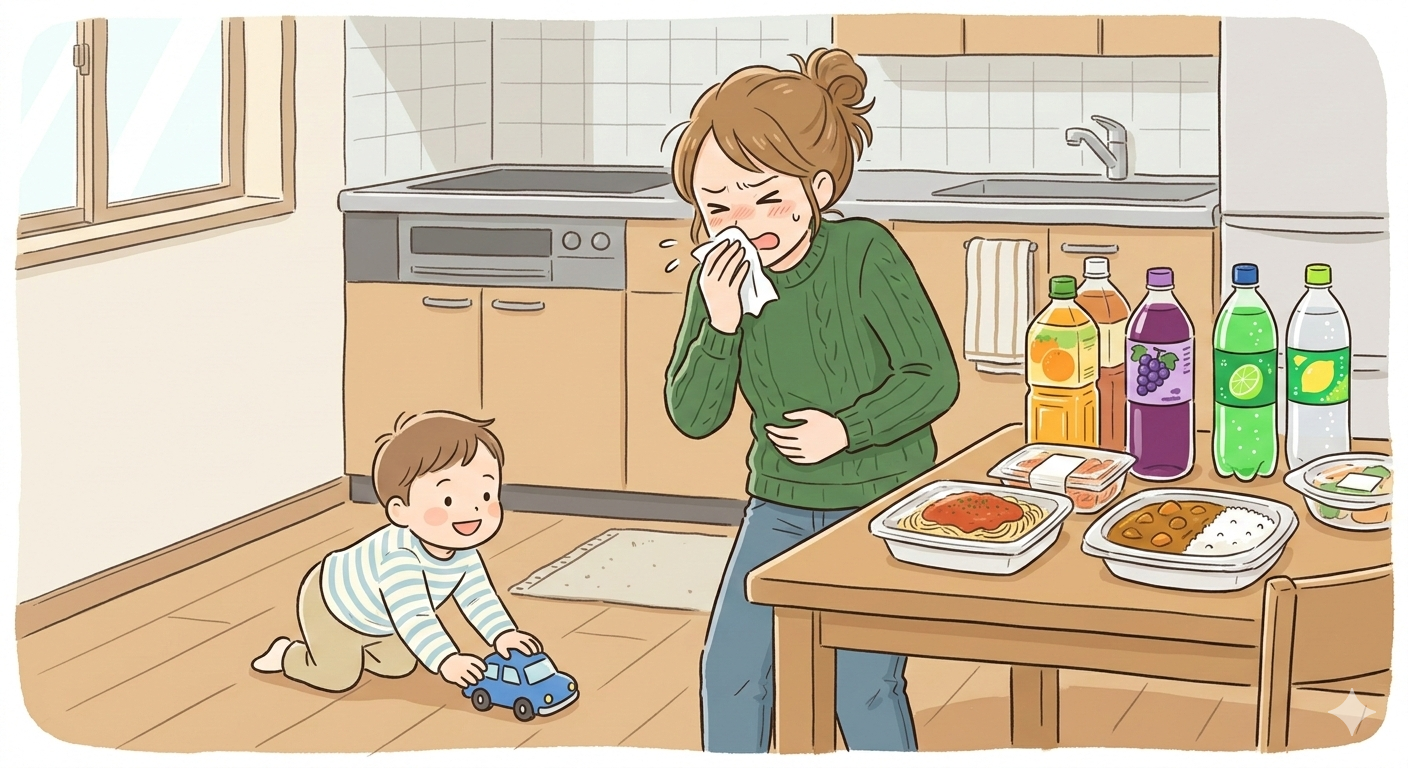
Allergies can manifest in many ways and can be diagnosed as: eczema, atopic dermatitis, urticaria, rhinitis, conjunctivitis, asthma, pompholyx, irritable bowel syndrome, etc., and can affect different organs throughout the body. The most common allergies are in two major systems: the skin and the respiratory tract.
Most allergy sufferers, due to these symptoms, have heard doctors advise them to avoid certain foods, wear masks when the air quality is poor, etc.; however, there is one allergy risk factor that is almost ubiquitous yet almost never mentioned—plasticizers. (For more information on plasticizers, please refer to...)Previous Articles)
As Dr. L mentioned in an article many years ago, Taiwan experienced a plasticizer scandal in 2011. Now, 15 years later, even the most vulnerable group affected at that time—children—are approaching adulthood. But let's ask ourselves again: do we truly understand plasticizers and know the health hazards they pose? Or are we simply enjoying the conveniences of civilization while being afraid to think about them? This time, Dr. L will share two more important papers to help everyone better understand plasticizers.
These two papers (Paper 1,Paper 2)Published in top-tier international journals in 2020 and 2025 respectively:Environment International,Environmental PollutionThe paper compiles a large amount of past research data to analyze the impact and correlation of plasticizers on allergies. The following is a summary of the key points from the two papers:
Paper 1:"Phthalate exposure and allergic diseases: Review of epidemiological and experimental evidence"
1. Cell experimentsIt can alter the function of innate immune cells (such as macrophages and dendritic cells) and adaptive immune cells (such as T cells and B cells), and may promote allergic inflammation by affecting the secretion of cytokines or interfering with signaling pathways related to immune regulation.
2. animal experimentsPlasticizers may act as "auxiliaries" at environmental exposure levels; this means that in the presence of allergens, plasticizers may enhance immune responses and induce respiratory and inflammatory effects.
3. Epidemiological researchNumerous studies have shown a significant positive correlation between plasticizers and allergies. Research typically uses indoor dust levels, the presence of PVC flooring, or the concentration of metabolites in urine as exposure indicators.
Paper 2:"Association between exposure to airborne endocrine disrupting chemicals and asthma in children or adolescents: A systematic review and meta-analysis"
1. Asthma attackPlasticizers detected in indoor dust samples were significantly associated with the incidence of asthma (OR: 1.21).
2. Asthma worsensUrinary metabolites of various plasticizers (such as MEHHP, MECPP, MEOHP, and MCOP) are associated with an increased risk of asthma exacerbation.
In the field of environmental medicine, pollutant exposure values are often at extremely low concentrations (ppm, or even ppb), and the exposure methods are highly diverse, which often makes research difficult. This is why, even though research results are scarce compared to other medical fields, we need to be more cautious when we see relatively obvious consistency in environmental medicine research (such as the aforementioned positive correlation between plasticizers and allergies).
Therefore, Dr. L would like to emphasize again:
Usage of Plasticizers is not only a food safety issue, but an environmental issue that affects daily life in an all-round way!
We may not be able to completely avoid the use of plasticizers, but with a deeper understanding of their applications, we can gain an extra layer of preventative awareness in our daily lives (see details).Previous ArticlesThis will lead to a conscious reduction in the use and exposure to plasticizers, rather than allowing them to become invisible killers lurking in our lives.
📚 References
- Bølling, A. K., Sripada, K., Becher, R., & Bekö, G. (2020). Phthalate exposure and allergic diseases: Review of epidemiological and experimental evidence. Environment International, 139, 105706. https://doi.org/10.1016/j.envint.2020.105706
- Hatem, G., Faria, AM, Pinto, MB, Teixeira, JP, Salamova, A., Costa, C., & Madureira, J. (2025). Association between exposure to airborne endocrine disrupting chemicals and asthma in children or adolescents: A systematic review and meta-analysis. Environmental Pollution, 369, 125830. https://doi.org/10.1016/j.envpol.2025.125830
About the author
Dr. Lai Kunhui (Dr. L)
Occupational and Environmental Medicine Specialist
Bachelor of Medicine, National Taiwan University; Master of Public Health, National Taiwan University; Attending Physician, former National Taiwan University Hospital
Medical consultant of multiple companies
[Complete and Effective Treatment for Allergies] Inventor/Patent Certificate No. I890654