


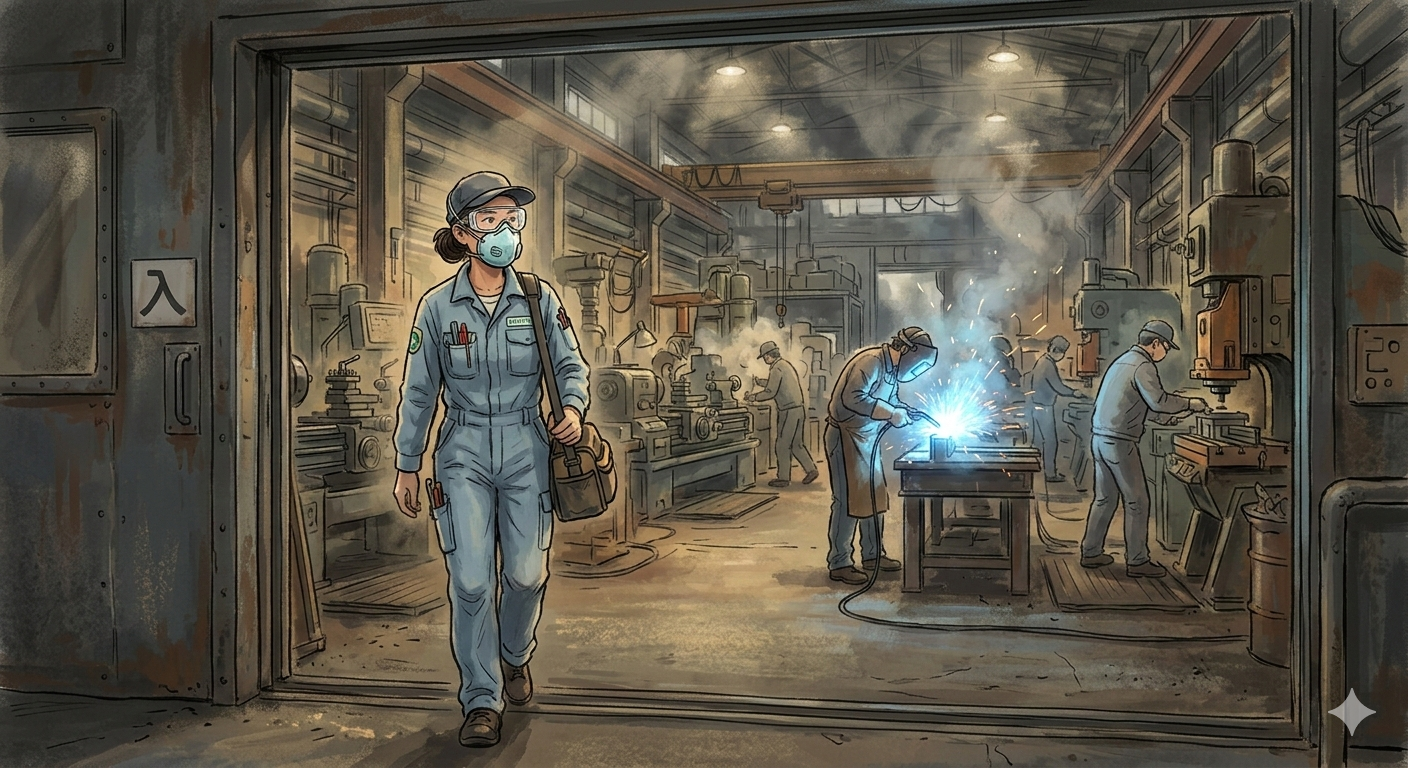
Occupational allergy refers to certain factors in the workplace that are significantly and highly correlated with the occurrence or worsening of allergies. However, allergies take many different forms (such as eczema, urticaria, allergic rhinitis, allergic conjunctivitis, asthma, etc.), and there are hundreds of triggering factors in the workplace. Furthermore, to ensure high accuracy in diagnosis, the criteria are set very strictly. Therefore, in practice, very few cases are successfully identified as occupational allergies. This also means that...In reality, many potential occupational allergies are underestimated..
Note: Occupation-related allergies ≠ occupational allergic diseases (due to stricter standards)
Therefore, Dr. L prefers another approach—to raise awareness of potential allergy triggers in the workplace, thereby reducing the likelihood of re-exposure and re-triggering. This approach references several papers published in international journals (Paper 1,Paper 2,Paper 3Here are some key points summarized below:
1. Approximately 11 million workers in the United States may be exposed to substances that trigger allergic reactions (such as occupational asthma and allergic contact dermatitis). Even if we convert this proportionally,At least 700,000 workers in Taiwan may have been exposed to potential irritants (this is likely an underestimate)..
2. It has been confirmed.Hundreds of chemicals are considered to be triggers for allergic diseases.For example, metals, epoxy and acrylic resins, rubber additives, and proteins (such as natural latex, plant proteins, mold, animal dander)...etc., these substances are present in almost all industries.
3. Allergens can induce immune responses mediated by immunoglobulin E (IgE) or non-immunoglobulin E; interestingly,The same chemical substance may induce diverse immune responses in different individuals..
4. Common occupational allergies include:Occupational asthma, occupational rhinitis, occupational contact dermatitis, occupational allergic pneumoniaAnd so on, and these diseases may also have an additive effect on each other.
5. It's not just chemicals; for outdoor workers,Climate change is also a significant factor that can trigger or worsen allergies..
From a risk assessment perspective, the first step is to "know what to be aware of." This article aims to make everyone aware that there are so many potential allergy triggers in our work! We hope that after understanding these factors, you can discuss them in detail with a doctor familiar with this field and implement preventative measures to reduce the harm these triggers pose to your health and allow allergies to be cured more completely.
━━━━━━━━━━━━━━━━━━━━━━━━━
📚 References
- Anderson SE, Long C, Dotson GS.(2017).
Occupational Allergy.
European Medical Journal, 2(2), 65–71. - Lemiere C, Bernstein DI.(2020).
Occupational Allergic Diseases: High Disease Burden
Yet Frequently Overlooked.
JACI: In Practice. - Raulf M, Annesi-Maesano I.(2025).
Occupational Allergy and Climate Change.
Current Opinion in Allergy and Clinical Immunology,
25(2), 83–87.
━━━━━━━━━━━━━━━━━━━━━━━━━
About the author
Dr. Lai Kunhui (Dr. L)
Occupational and Environmental Medicine Specialist
Bachelor of Medicine, National Taiwan University; Master of Public Health, National Taiwan University; Attending Physician, former National Taiwan University Hospital
Medical consultant of multiple companies
[Complete and Effective Treatment for Allergies] Inventor/Patent Certificate No. I890654