


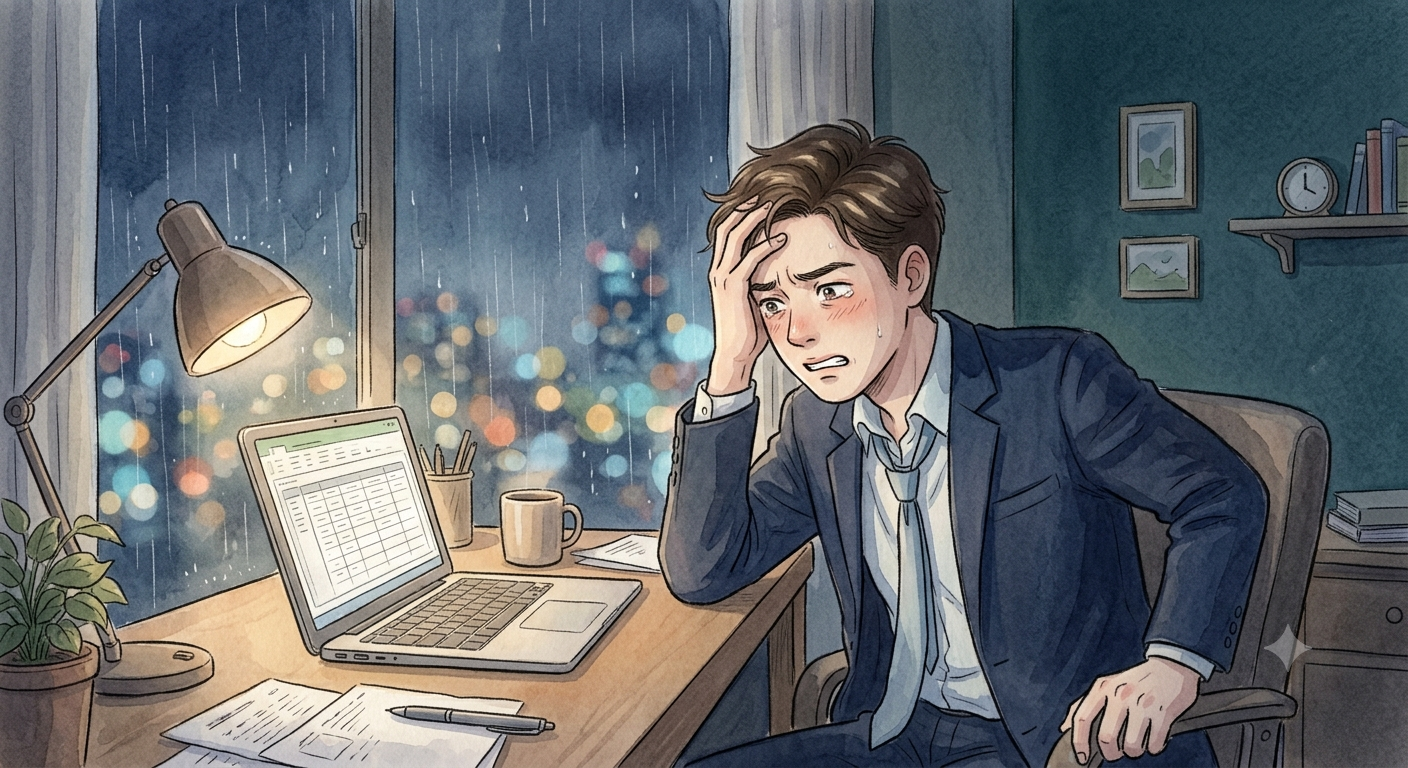
The mind and body naturally influence each other. In the last century, many scholars realized the potential link between psychological stress and allergies, and thus conducted many related studies, establishing the correlation between psychological stress and allergies. However, in addition to understanding the correlation between the two, the next research focus is on how to improve them.
Published in a prestigious international journal in 2021. BMC Public Health ofpaperThe article "Association of stress management skills and stressful life events with allergy risk: a case-control study in southern China" provides an excellent reference on "how to manage stress and thereby improve allergies".
This study employed a case-control research framework, conducting a questionnaire survey of 28,144 respondents in South China. The questionnaire quantitatively recorded information on "allergic diseases," "stressful life events," and "stress management skills," followed by multivariate logistic regression analysis. Dr. L outlines the key points of the paper below:
Stressful events significantly increase the risk of allergies.
1. Compared to those without stressful events, those who experience stressful events... 1-2 stress eventsThose with allergies are at risk.Add 65% (OR: 1.65; 95% CI: 1.41–1.93).
2. Compared to those without stressful events, those who experienced [stressful events]... More than 3 stressful eventsThose with allergies are at risk.A sudden increase of 210% (OR: 3.10; 95% CI: 2.55–3.79).
3. Data presentationThere is a significant dose-response relationship between "stressful events" and "allergies"..
▌The protective effect of "stress management skills"
1. Groups experiencing stressful eventsIn the process of executionGood stress management skillsversusLower risk of allergiesSignificantly correlated (OR: 0.71; 95% CI: 0.53–0.97).
2. The specific skills that yield the most significant results include:
→"Get enough sleep” (OR, 0.48; 95% CI, 0.32–0.72)
→"There is a period of relaxation every day.” (OR, 0.55; 95% CI, 0.37–0.80)
→"Focus on pleasant thoughts before bed” (OR, 0.67; 95% CI, 0.51–0.89)
→"Self-regulation of pace to prevent fatigue” (OR, 0.67; 95% CI, 0.54–0.83)
3. In groups that have not experienced stressful events, there was no significant association between stress management skills and allergy risk.
In conclusion,"Stressful events" and "allergies"In additionThere is a clear correlation.Furthermore, there existsSignificant dose-response relationship;also,If you are familiar with "stress management skills," you can effectively reduce the risk of allergies during stressful events.(Among them, "Get enough sleep"This is especially important; for more information on sleep hygiene, please see..."Article 1,Article 2,Article 3).
━━━━━━━━━━━━━━━━━━━━━━━━━━━━
📚 References
- Cheng, J., Li, F., Lai, Y., Chen, J., Sun, X., Xiang, L., Jiang, P., Wu, S., Xiao, Y., Zhou, L., Luo, R., Zhao, X., & Liu, Y. (2021). Association of stress management skills and stressful life events with allergy risk: a case–control study in southern China. BMC Public Health, 21, 1279. https://doi.org/10.1186/s12889-021-11333-3
━━━━━━━━━━━━━━━━━━━━━━━━━━━━
About the author
Dr. Lai Kunhui (Dr. L)
Occupational and Environmental Medicine Specialist
Bachelor of Medicine, National Taiwan University; Master of Public Health, National Taiwan University; Attending Physician, former National Taiwan University Hospital
Medical consultant of multiple companies
[Complete and Effective Treatment for Allergies] Inventor/Patent Certificate No. I890654