


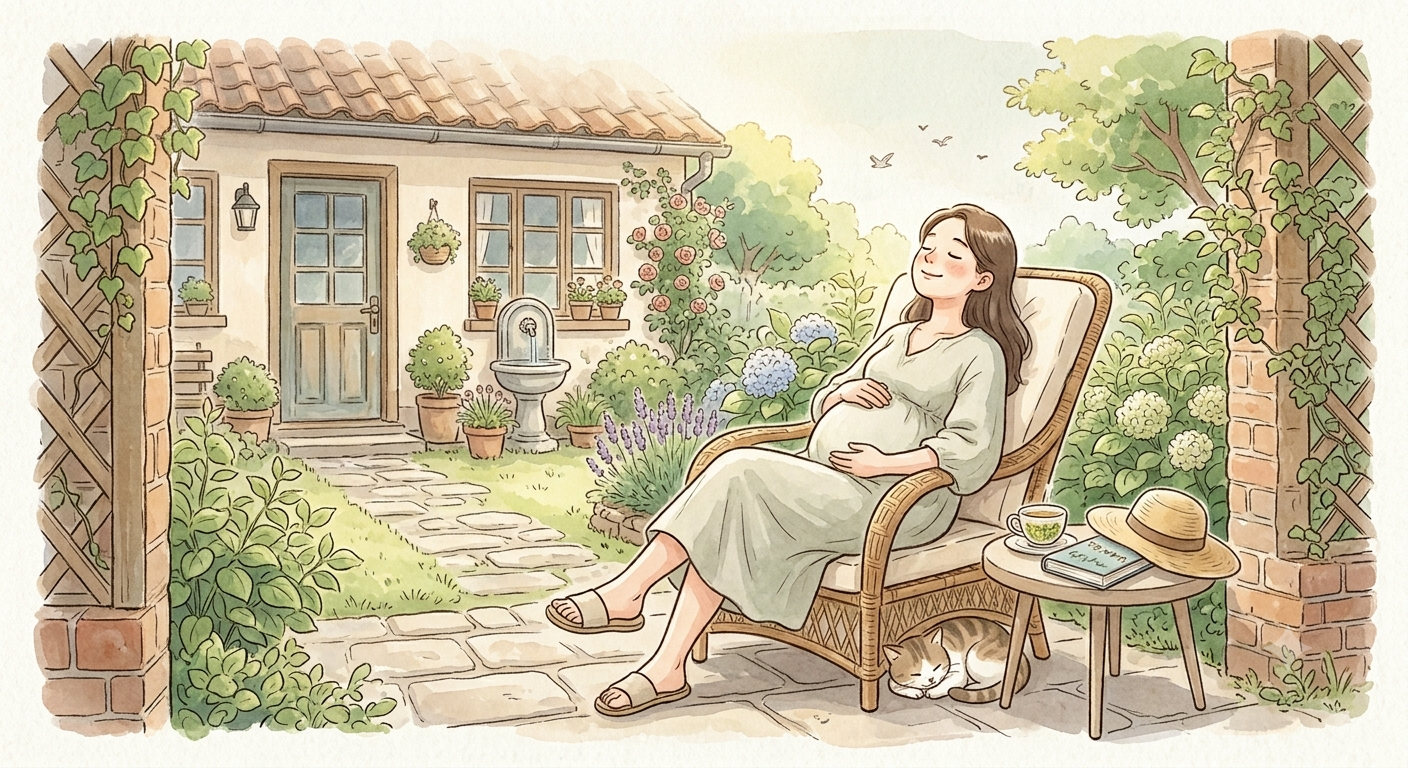
When we recall the discomfort of allergy symptoms, we often think, "If only there had been better preventative measures earlier, wouldn't I be better off? Less prone to flare-ups?" This is precisely why Dr. L continues to write articles here. Dr. L hopes to share important new knowledge about allergies so that everyone can better avoid them. The research paper shared this time will broaden your horizons and show you that allergy prevention can begin so early!
References published in a prestigious international journal in 2024. Science of The Total Environment ofGenerational research papersThe research team, in their paper "Early Exposure to Sunlight and Allergic Morbidity: The PARIS Birth Cohort," analyzed data from the PARIS birth cohort study in France. 18 months oldHealth check-ups (2,012 people) and 8–9 years oldData on children who underwent health checkups (1,080).
The research team combined local meteorological data (including solar radiation, temperature, and relative humidity) and used a "longitudinal multidimensional cluster analysis" method to group children with similar meteorological exposure trajectories (resulting in four different meteorological exposure trajectories).Sunlight exposure), and compare it with those aged 18 months and 8–9 years.Allergic sensitization8-9 years oldAsthma / Rhinitis / Eczema We conducted a multivariate logistic regression analysis, adjusting for potential confounding factors. The aim was to understand the relationship between early-life sun exposure (including the prenatal and postnatal stages of pregnancy) and the occurrence of childhood allergic diseases.
▌Early life sun exposureversusChildhood allergiesRelationship
1. Compared to the group with the lowest early sun exposure, children in the group with the highest early sun exposure had a lower risk of developing allergic sensitization or rhizitis at age 8–9.
2.“Before production — For every interquartile range (IQR) increase in sun exposure during pregnancy, the risk of complications increases in children aged 8–9 years.[At least one inhaled allergen causing sensitization]The risk was significantly lower (aOR: 0.47, 95% CI: 0.25–0.87, p=0.016), and the occurrence of...【asthma】The risk was significantly lower (aOR: 0.32, 95% CI: 0.10–0.96, p=0.042).
3.“Postpartum — For every interquartile range (IQR) increase in sunlight exposure before the age of one, the risk of [a certain risk] increases by 8–9 years of age.[At least one inhaled allergen causing sensitization]The risk was significantly lower (aOR: 0.84, 95% CI: 0.7–1.0, p=0.05).
▌Special nutritional productsModerating effect
During the mother's pregnancy[Contains Vitamin D supplement]In the groups with the highest early sun exposure, children showed a statistically significant decrease in allergen sensitization risk at age 8–9. However, in the group that did not receive vitamin D supplementation during pregnancy, there was no significant association between sun exposure and sensitization risk.
In conclusion,Whether it's a pregnant mother or an infant under one year old, the more sunlight they are exposed to (without getting sunburned), the more effective it is in preventing allergic diseases later in life.For further comparison, the amount of sunlight exposure for pregnant mothers is more important (it has a better risk reduction effect); in addition to sufficient sunlight exposure, it is also recommended that pregnant mothers take other precautions.Combine with appropriate vitamin D supplementation (For details, please refer to the following)This articleThis method offers the best protection against the risk of children developing asthma and allergen sensitization in the future!
━━━━━━━━━━━━━━━━━━━━━━━━━━━━
📚 References
- Lefebvre, L., Amazouz, H., Rancière, F., & Momas, I. (2024). Early exposure to sunlight and allergic morbidity: The PARIS birth cohort. Science of The Total Environment, 930, 172543. https://doi.org/10.1016/j.scitotenv.2024.172543
━━━━━━━━━━━━━━━━━━━━━━━━━━━━
About the author
Dr. Lai Kunhui (Dr. L)
Occupational and Environmental Medicine Specialist
Bachelor of Medicine, National Taiwan University; Master of Public Health, National Taiwan University; Attending Physician, former National Taiwan University Hospital
Medical consultant of multiple companies
[Complete and Effective Treatment for Allergies] Inventor/Patent Certificate No. I890654